
Kingscliff, Salt, Casuarina, Cudgen and Kings Forest
Excavation in Kingscliff and on the Tweed Coast
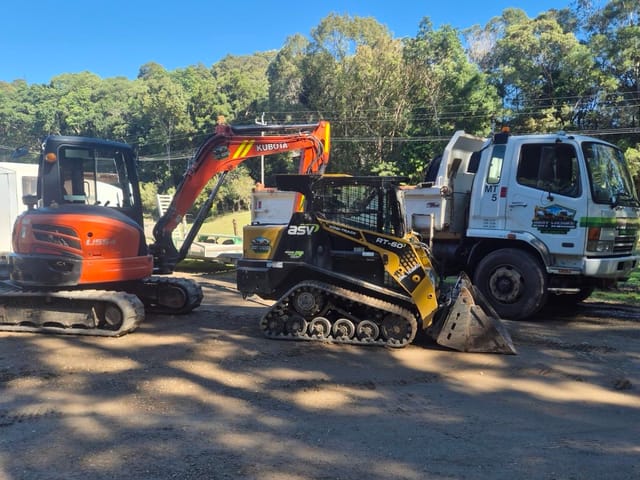
Luke brings his own 5.5 t class Kubota excavator, ASV posi-track and Fuso tipper to the Tweed Coast for trenching, driveway repairs, clearing and soil removal, and runs every machine himself.
Or send the job details online
- Google 5.0 out of 5 from 2 reviews
- Liability and equipment insurance held
- ABN 58 346 068 875
- Owner-operator: Luke quotes the job and runs the machines
- Services potholed by hand before the machine digs close
- Spoil to lawful tips or approved sites, with dockets
- Silt fences where runoff could reach drains or creeks
- Owner-operatorLuke, over 10 years operating machinery
- Based in MurwillumbahWorking the Gold Coast to Lennox Head
- Insurance heldLiability and equipment, certificate on request
- Google 5.0 out of 5From 2 reviews, October 2026
- ABN 58 346 068 875Registered business name DIRT WERKS
Earthmoving on the Tweed Coast, from Kingscliff to Kings Forest
Dirt Werks is Luke's earthmoving business. He's based in Murwillumbah and works the Tweed Coast: Kingscliff and Cudgen, Salt and Casuarina, and the new streets of Kings Forest. Luke quotes each job and runs the machines himself, and because the excavator, posi-track and tipper are all his, one booking can cover the dig, the levelling and the carting.
The work he offers here is the everyday kind: a trench ready for the plumber or electrician, sand or soil to go, a gravel drive to fix, or tracks and drains on the farms behind the town. Closer to the river and the border, see Tweed Heads. Further south, see Pottsville and Cabarita.
What Luke does in Kingscliff and on the Tweed Coast
Trenching for services
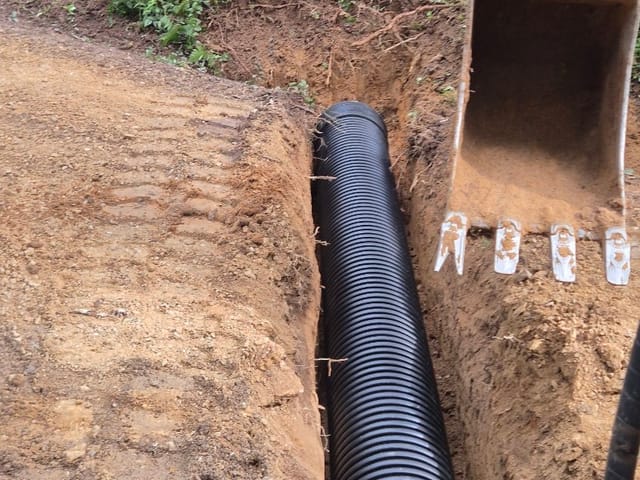
Trenches for water, sewer, stormwater and power conduit, dug to your trade's depth and fall. Luke digs and backfills; your licensed plumber or electrician lays and connects.
See moreSand, soil and rubbish removal
Loaded straight onto the Fuso tipper, about 7.5 t a load, and carted to a lawful tip or approved site with a docket.
See moreGravel driveway repairs
Potholed gravel drives prepped, re-sheeted, levelled with the posi-track, then watered and rolled. Sealing is done by others on the base Luke prepares.
See moreRural earthworks behind the coast
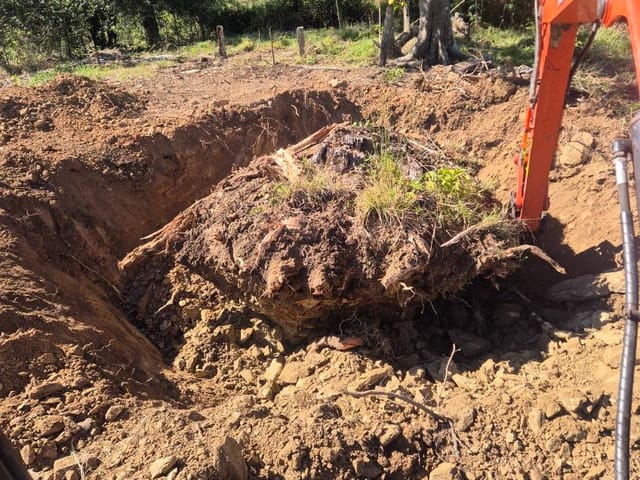
Access tracks, dams, creek crossings, culverts and tank installs on the farmland around Cudgen, plus trees and stumps removed at the owner's request.
See moreExcavator and tipper hire
The Kubota, posi-track or tipper with Luke operating, for trenching, backfill, spoil removal and material deliveries.
See moreTwo kinds of ground: coastal sand and Cudgen red soil
Kingscliff sits on two different kinds of ground. Along the coast it's sand: 1997 NSW groundwater notes for the Tweed describe Quaternary dunes running from Point Danger to Cudgen Headland. A Kingscliff historical walk brochure hosted by Council says the low-lying area under much of the town was very swampy, and that mineral sands dredging between Fingal and Kingscliff, and along the beach south of Cudgen Creek, transformed much of the coastal dune country from after 1939 into the 1970s.
Inland, the Kingscliff Development Control Plan (DCP) describes a ridge line running from the Cudgen Plateau along Cudgen Road to Cudgen Creek. The Tweed Regional Museum says the plateau's red soil, a ferrosol or krasnozem, formed from basalt lava flows of the Tweed volcanic period about 23 million years ago, and that Cudgen, or Goodjing, is a Bundjalung word meaning red. The plateau is now classified State Significant Farmland.
The two behave differently. The groundwater notes say the basalt soils of the plateaus are usually well drained. They rate groundwater as highly vulnerable where the water table is less than 5 m down, under shallow, highly permeable soil on low slopes, particularly along the unconsolidated sands of the coastal foreshores. The Kingscliff DCP adds that, when it was written, a significant proportion of the town's greenfield sites were subject to 100-year flood inundation and could be filled above design flood levels. On low coastal ground a deeper dig can meet groundwater or acid sulfate soil, and both can mean extra approvals.
Digging trenches in coastal sand
Sand digs quickly but doesn't hold a steep wall the way clay can. Luke barricades open trenches, and nobody goes in the hole while the machine digs. If the plans call for a trench deeper than 1.5 m, say so when you ask for a quote. SafeWork NSW treats that as high-risk construction work: it needs a Safe Work Method Statement, and the risk of collapse must be minimised by benching, battering, shoring or written advice from a geotechnical engineer that the trench sides are safe.
Before the bucket goes in, Luke checks the Before You Dig plans and potholes by hand to find services near the line. Private lines on your block, such as irrigation or a power run to a shed, usually aren't on those plans, so mark what you know on a photo. Silt fences go in where runoff could carry sand into a street drain or Cudgen Creek.
Before you dig on low-lying coastal land
| Check | What the official sources say | Who to ask |
|---|---|---|
| Acid sulfate soils | Common along the Tweed Coast. Written approval is needed in most cases before they're disturbed, and Council's minor-works plan doesn't cover digs that may disturb groundwater or need dewatering. | Tweed Shire Council, 02 6670 2400 |
| Groundwater | Tweed's DCP 2025 asks for a groundwater investigation for earthworks in areas of high groundwater vulnerability, and a dewatering management plan where groundwater is likely to be intercepted. | Your engineer or certifier, and Council |
| Flood levels and fill | Habitable floors must sit above the flood planning level. Ask Council for the current level for your lot before you design. Filling land needs development consent in most cases, so check before any fill comes in. | Council's Flooding and Stormwater Engineer, 02 6670 2400 |
| Driveway crossovers | A driveway built in the road reserve (the verge) needs Section 138 approval under the Roads Act 1993 before work starts. | Tweed Shire Council |
| Near creeks and the estuary | Exempt earthworks must be at least 40 m from natural water and must not send sediment onto neighbouring land. Beachfront and estuary lots may sit in a mapped coastal management area. | NSW Planning Portal, and Council |
| Trees | On non-rural land, Tweed DCP 2025 (in force since 1 June 2026) lets vegetation within 5 m of an existing lawful house on the same block be cleared without a permit, but not large trees (40 cm or more in diameter), preferred koala food trees, hollow-bearing trees, threatened species or trees on the Significant Tree Register. On rural land, clearing native vegetation may need approval under the Local Land Services Act 2013. | Tweed Shire Council, 02 6670 2400 |
General information as at October 2026, from the sources listed below. Rules change, so Council, your certifier or your engineer confirms what applies to your block.
Kings Forest: the new estate
Kings Forest is the large new estate on the Tweed Coast. Council's page puts it about 20 km south of the Queensland border, with Tweed Coast Road as the main access, and an approved concept plan, since modified, for 4,500 dwellings. The first project application, approved in August 2013, included bulk earthworks across the site. That land forming is the developer's civil work, not a job for one excavator.
Luke's part is the small jobs: a short trench ready for the plumber or electrician, a load of spoil to go, or gravel and road base brought in. Send the gate or side-access width with your photos and he'll tell you which machine fits.
Got a job in Kingscliff or on the Tweed Coast?
Text Luke a wide photo, the gate or side access, and the exact spot, with your suburb. He'll quote from that, or from a quick site look if the job needs it.
Kingscliff and Tweed Coast questions
Where does the sand go?
Onto the tipper, about 7.5 t a load, then to a lawful tip or an approved site, with a docket. It can't just be dropped on another block: Tweed Council says filling land needs development consent in most cases, and material dug from low-lying coastal ground may be acid sulfate soil, which has its own rules. Sand that can stay on your site within your approvals is one less load. More on soil removal.
Can you work in a tight lot beside the neighbours' fences?
It depends on the narrowest point. Measure the gate or side access at its narrowest and send a photo with the tape in shot, plus anything overhead, because Luke keeps at least 3 m clear of power lines. Point out fences, tanks and pipes near the work so he can plan around them.
Do I need council approval to dig on a low-lying block?
Often, yes. Tweed Shire Council says acid sulfate soils are common along the Tweed Coast and asks you to ring 02 6670 2400 before work starts to check what approvals apply. If the dig could reach groundwater or need pumping out, expect a site-specific management plan rather than Council's standard minor-works one. The council approval guide has more.
Do you do farm work around Cudgen?
Yes. The Kubota digs, the posi-track shapes and levels, and the tipper brings gravel in or carts spoil out, so one operator can cut a farm track, lay a culvert and re-sheet the gravel in the same booking. Clearing native vegetation on rural land may need approval under the Local Land Services Act, and work in a creek or within 40 m of its bank may need a controlled activity approval, so check both before work starts. See land clearing and rural earthworks.
Can you fix a potholed gravel driveway?
Yes. Luke preps the base, tips fresh gravel through the tailgate and levels it with the posi-track, then it's watered and rolled. Sealing is done by others. If the work reaches the verge, Tweed Council requires Section 138 approval before any driveway work in the road reserve starts, so sort that out with Council first. See driveway repairs.
Service areas
Based in Murwillumbah, working the Gold Coast to Lennox Head
Gold Coast
Coolangatta, Currumbin, Palm Beach, Burleigh Heads, Robina, Mudgeeraba, Nerang, Southport, Helensvale, Coomera, Ormeau
Murwillumbah & Tweed Valley
Murwillumbah, South Murwillumbah, Bray Park, Uki, Tyalgum, Chillingham, Stokers Siding, Burringbar
Tweed Heads
Tweed Heads, Tweed Heads South, Banora Point, Terranora, Bilambil, Chinderah
Kingscliff & Tweed Coast
Kingscliff, Cudgen, Casuarina, Salt, Kings Forest
Pottsville & Cabarita
Pottsville, Cabarita Beach, Bogangar, Hastings Point, Mooball
Byron Bay & Brunswick Heads
Byron Bay, Brunswick Heads, Ocean Shores, Mullumbimby, Suffolk Park, Bangalow
Lennox Head & Ballina
Lennox Head, Skennars Head, Ballina
Not on the list? Call Luke on 0488 987 325 and ask.
Sources
- Tweed Shire Council: land constraints (acid sulfate soils on the Tweed Coast)
- Tweed Shire Council: acid sulfate soils
- Tweed Shire Council: Development Control Plan 2025 (PDF)
- Tweed Shire Council: Kingscliff DCP Section B26, Part 2 (PDF)
- Tweed Shire Council: flood risk management
- Tweed Shire Council: disposal of fill
- Tweed Shire Council: driveways
- Tweed Shire Council: trees on private land
- Tweed Shire Council: Kings Forest development
- Tweed Regional Museum: Cudgen Plateau
- Historical walks: Kingscliff (PDF, North Coast Area Health Service and Tweed Heads Historical Society, hosted by Tweed Shire Council)
- NSW Department of Land and Water Conservation: Tweed-Brunswick groundwater vulnerability map notes, 1997 (PDF)
- NSW Planning Portal: exempt earthworks, retaining walls and structural supports
- NSW Planning: Resilience and Hazards SEPP (coastal management areas)
- NSW DCCEEW Water: controlled activity approvals (work on waterfront land)
- SafeWork NSW: excavation collapse (trenches deeper than 1.5 m)
- Before You Dig Australia: FAQs
Suburbs
Towns and suburbs around Kingscliff and Tweed Coast
Each one has its own page with the ground, the access and the local rules to check.
Related
Tweed Heads
Excavator, posi-track and tipper work in Tweed Heads, Banora Point and Terranora: trenching, driveways, soil removal.
See more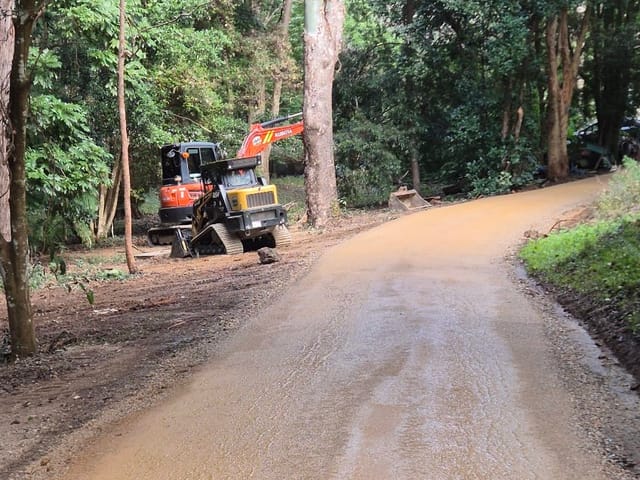
Pottsville & Cabarita
Earthworks in Pottsville, Cabarita Beach, Hastings Point and Mooball: driveways, trenching, clearing, deliveries.
See more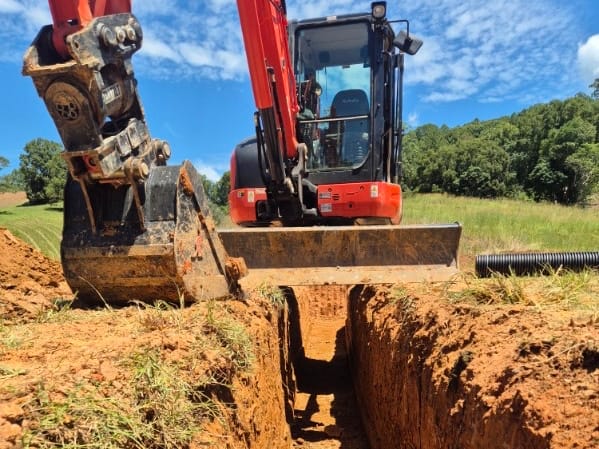
Trenching and drainage
Trenching for plumbing, power and drainage, Gold Coast to Lennox Head. Before You Dig checked, dug to grade, backfilled.
See more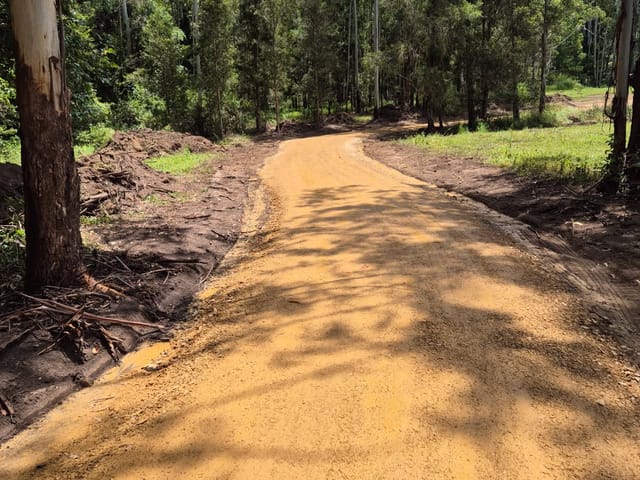
Council approval to excavate
When digging, filling or a retaining wall needs council approval in the Tweed, Byron and Ballina shires, with official sources.
See more